

A Simple Guide to Wood Types for Furniture

Wood Types Explained: A Simple Guide to Choosing Your Perfect Grain and Tone
Selecting solid wood furniture is the first step toward a lifetime investment, but the journey doesn’t end there. Within the category of solid wood, a vast and varied world of wood types exists, each with its own unique characteristics, grain patterns, durability rating, and inherent colour tone. The wood species you choose will fundamentally determine the final look, feel, and performance of your furniture.
Understanding the difference between common wood types—from the hardness of maple to the distinctive grain of oak—is essential for making a choice that aligns with both your aesthetic preference and your functional needs.
Understanding the Two Core Wood Types: Hardwood vs. Softwood
All types of furniture-grade wood can be categorized into two main groups. This classification is based on the biological type of the tree, which often correlates with its physical hardness.
- Hardwoods (Deciduous Trees): Hardwoods are sourced from flowering trees, also known as broadleaf trees, that typically lose their leaves during specific seasons. They are usually denser, more durable, and more expensive due to their slower growth rate. Common examples of hardwoods used in premium furniture include oak, maple, cherry, and walnut.
- Softwoods (Coniferous Trees): Softwoods come from cone-bearing trees, known as evergreens, which retain their needles throughout the year. These trees grow faster, resulting in wood that is generally lighter, less dense, and more cost-effective. Softwoods like pine, cedar, and fir are popular choices for utility furniture or for pieces where the natural patina from dents and scratches is appreciated.
Key Factors in Choosing Furniture Wood Types
When selecting wood types for your furniture, you must consider three critical variables that affect both aesthetics and longevity:
Factor | Description | Impact on Furniture |
Durability (Janka Hardness) | Measures the wood’s resistance to denting and wear. | Essential for high-traffic items like dining tables and desks. |
Grain Pattern | The visual texture and markings are created by the wood fibres. | Determines the aesthetic—from straight and clean (Maple) to pronounced and figured (Oak). |
| Natural Tone | The wood’s inherent colour before any stain is applied. | Affects the final stained colour; light woods like Pine absorb stain differently than dark woods like Cherry. |
Popular Wood Types: A Detailed Look at Grain and Tone
To make smart choices when buying furniture, it’s important to understand the different types of wood. Each type of wood has its own color, pattern, and density, which affect how it looks and how best to use it.
Hardwoods: The Durable Options
- Maple: Known for its very high durability and fine, subtle grain. Maple features a creamy white or light tan natural tone. Its density makes it highly resistant to denting, making it an ideal choice for high-use items like kitchen cabinets, children’s furniture, and butcher blocks.
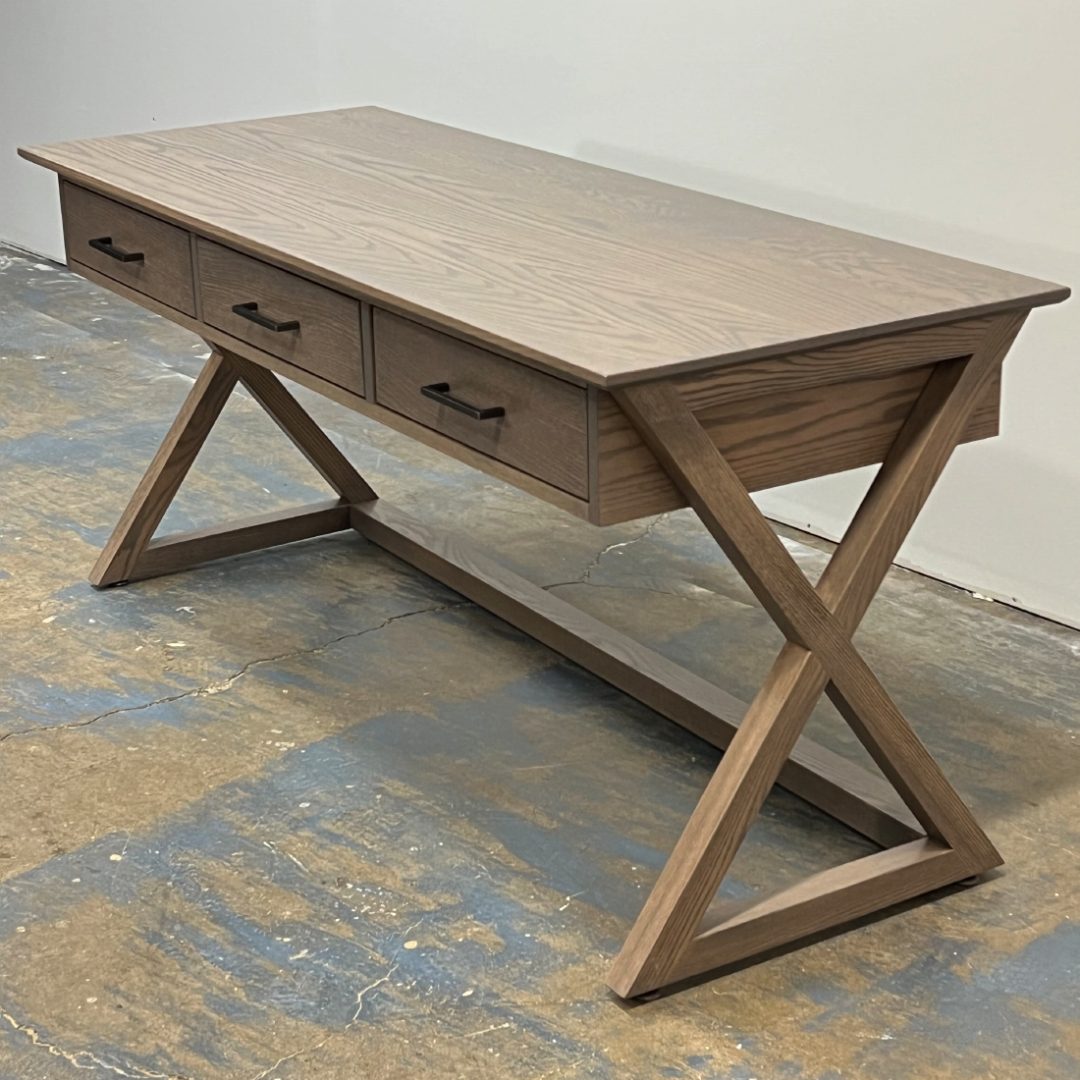
- Oak (Red and White): A highly popular choice characterized by its open, pronounced, and textured grain, often displaying distinctive rays and flecks. It has a high durability rating. Its natural tone ranges from light brown to tan (White Oak is slightly darker), making it versatile for staining. Oak is excellent for mission-style furniture and large farmhouse tables.
- Cherry: A prized hardwood featuring a fine, closed, and smooth grain. It has a medium-high durability rating. Cherry’s natural tone is a pale pink to reddish-brown, and it famously darkens significantly over time when exposed to sunlight, developing a rich, sought-after patina. This wood is often reserved for formal dining and premium bedroom sets.

Softwoods: The Character-Rich Options
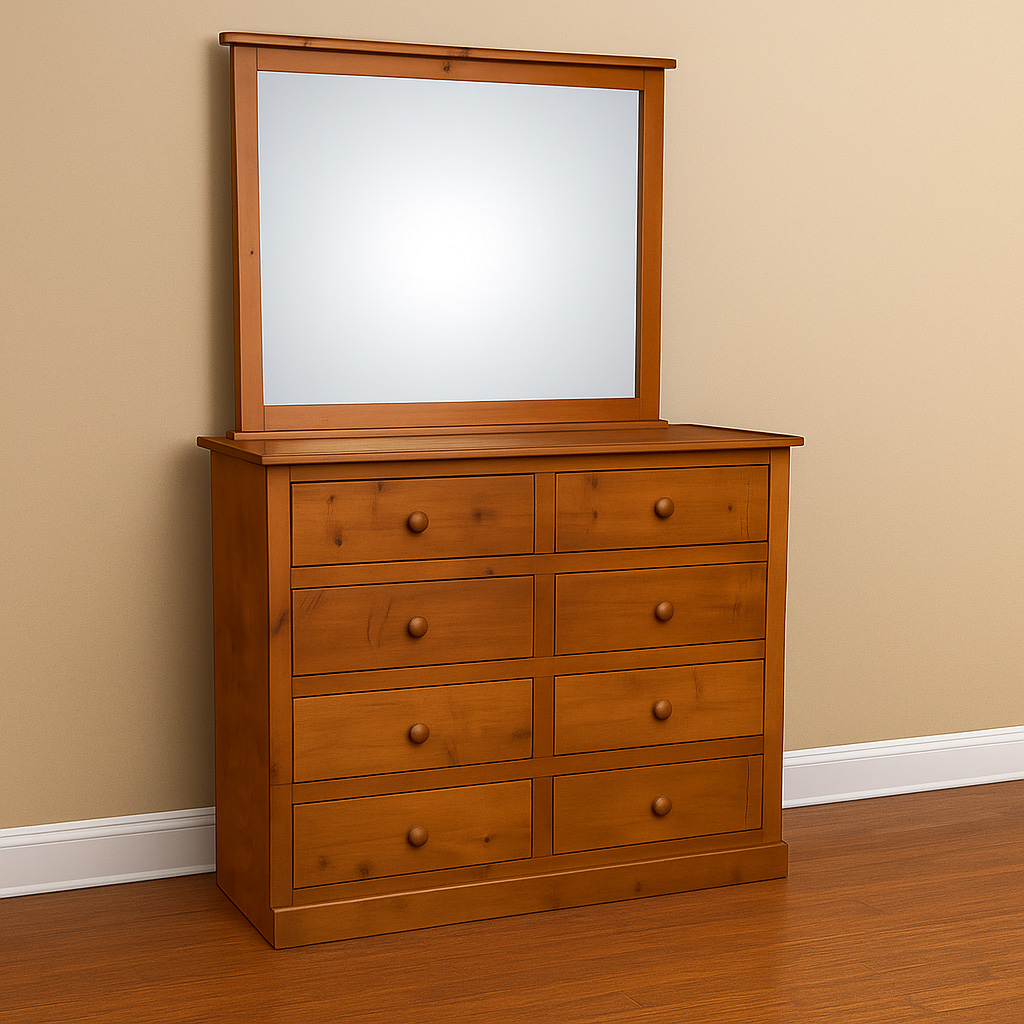
Pine: The most common softwood used in furniture. Pine has a lower durability rating but is valued for its prominent, knotty, and distinct grain pattern. Its natural tone is creamy yellow or white. Pine is the perfect choice for rustic furniture, casual pieces, and items where the natural aging (including small dents and patina) adds to the charm.
Beyond the Basics: Matching Wood to Function
Choosing the right wood types goes beyond aesthetic appeal; it involves matching the wood’s inherent properties to its intended function. This is critical for maximizing your investment.
- For High-Traffic Surfaces (Tables and Desks): Prioritize high Janka hardness ratings. Woods like Maple or Oak resist dents and scratches from plates, laptops, and everyday use far better than softwoods.
- For Bedroom Furniture (Dressers and Beds): Durability is less of a concern, allowing you more freedom for woods like Cherry or lower-hardness hardwoods, where you value a smooth finish and a beautiful aging patina.
- For Unfinished Customization: Think about the wood’s natural color. If you intend to stain the piece a dark shade, a versatile neutral wood like Oak works well. For a light, natural look, Maple is an excellent option.
Common Mistakes and the Future of Wood Sourcing
While the variety of wood types offers a great opportunity, navigating the market requires awareness of quality and environmental practices.
- Common Mistakes: Confusing Veneer with Solid Wood: Always clarify if you are looking at solid wood or veneer (a thin slice of wood glued over a composite core). Veneer uses the beautiful grain of wood but lacks the repairability and longevity of solid construction.
- The Sustainability Challenge: Consumers must choose suppliers committed to responsible forestry. The future of furniture relies on certified wood sources (like FSC-certified wood) to ensure that the beauty of today does not compromise the forests of tomorrow. When asking, “Where does my furniture wood come from?” the answer should be clear and traceable.
- Best Practice: Acclimation: Regardless of the wood types chosen, allow your furniture to acclimate in its final location for a few weeks before applying a finish. Wood expands and contracts with changes in temperature and humidity; allowing it to settle prevents cracks and warps after the finish is applied.
Ready for Your Next Wood Project?
Understanding the unique characteristics of different wood types is the key to selecting furniture that lasts for generations. From the smooth surface of Maple to the rustic texture of Pine, your choice of wood is the essential foundation of your design.
Instead of navigating the complex world of wood selection alone, utilize our expertise to guide your decision. We specialize in providing the professional insight you need to match the perfect wood species to your functional requirements and desired aesthetic.
Contact Us Today for a Quote or Consultation
We aim to empower your project with:
- Expert Knowledge: Guidance on the Janka hardness and grain patterns that suit your lifestyle.
- Quality Materials: Access to certified, high-grade solid wood for superior longevity.
- Local Canadian Service: Support for communities across Canada, including Toronto, Vancouver, Montreal, and the wider Ontario region, offering trusted, localized advice.